From Venezuela to Central Asia: Decoding the Dynamics of the Global Energy Transition
Our team recently took part in a discussion on Venezuela’s economic outlook.
We would like to extend our thanks to the teams at Evolen and Ecoanalítica for their recent insightful presentation on Venezuela's economic outlook for 2026.
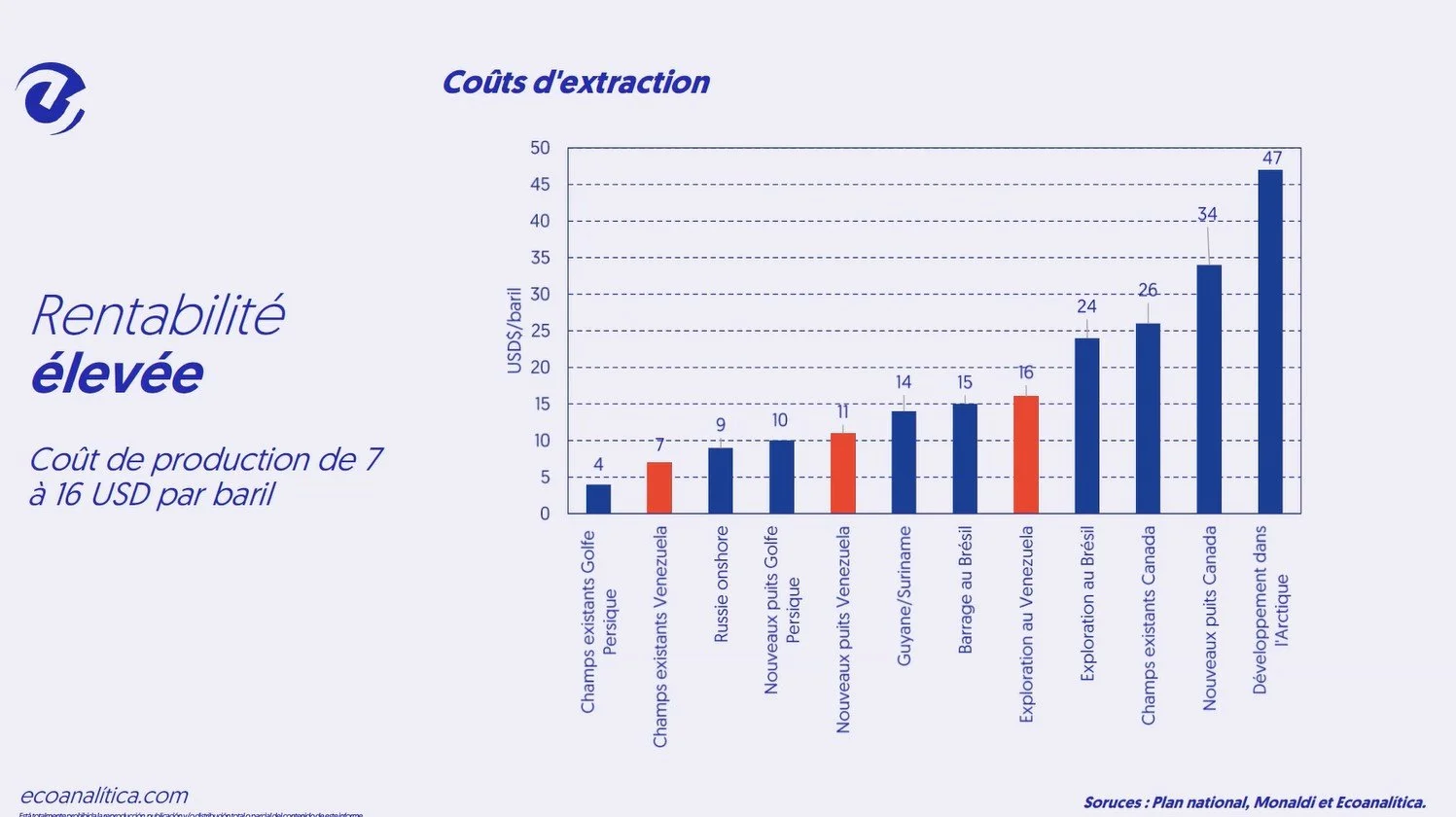
While our firm’s core expertise is deeply rooted in Central Asia and Mongolia, a detailed analysis of Latin American frontier markets provides crucial comparative insights for our clients.
What key parallels can we draw from this analysis for the Steppe and Caspian region?
The Pivot Toward Joint Ventures: Just as Venezuela now relies on public-private partnerships (joint ventures) to revive its production, Kazakhstan and Uzbekistan are accelerating the opening of their extractive sectors to international players.
The Imperative of Fiscal Modernization: Venezuela’s transition to a simplified comprehensive tax system demonstrates that market attractiveness depends on financial transparency. This is a trajectory that Mongolia and the Central Asian republics are closely monitoring to capture Foreign Direct Investment (FDI).
The Infrastructure Bottleneck: The report highlights a required 10 billion USD per year to modernize the Venezuelan grid. This logistical and energy challenge directly mirrors the connectivity issues of the Silk Road and the development of the Middle Corridor.
Understanding major global capital movements allows us to better anticipate the competitiveness and attractiveness of our own specialized regions.